
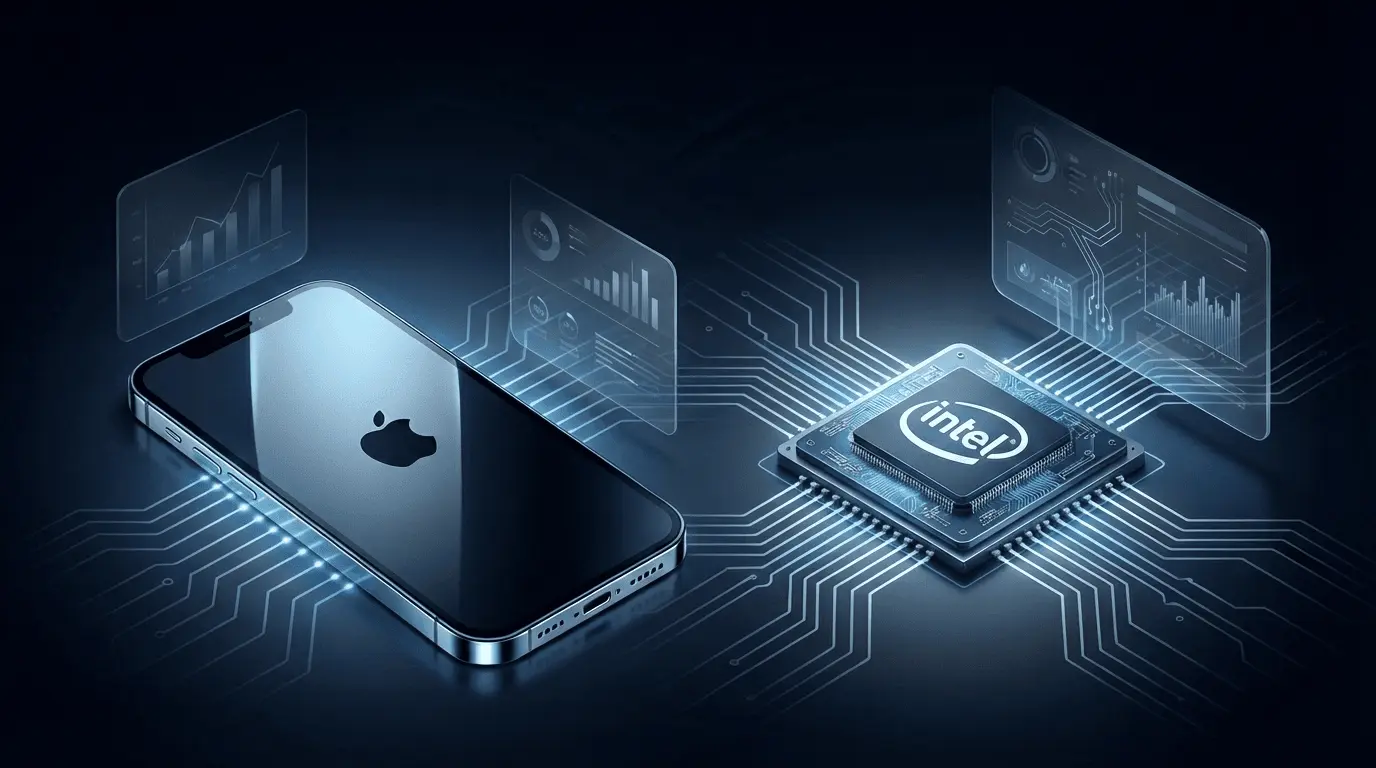
Apple Turning to Intel for Future iPhone Chips, Analyst Reaffirms: What You Need to Know
The tech world is buzzing with a major shift in Apple’s supply chain. According to reaffirmed reports from leading analysts, Apple is potentially turning back to Intel for future iPhone silicon components. This move signals a massive change in the long-standing partnership between Apple and Qualcomm and raises many questions about the future of iPhone hardware.
In this guide, we dive deep into why this transition is happening, the 2028 roadmap, and what it means for you.
1. The Intel and Apple Reunion: Why Now?
For years, Apple has relied on TSMC for its processors and Qualcomm for its 5G modems. However, analysts suggest that Apple is looking to diversify its suppliers.
By partnering with Intel Foundry Services (IFS), Apple aims to:
Lower Production Costs: Competition between Intel and TSMC could lead to better pricing.
Supply Chain Stability: Having a U.S.-based manufacturing partner like Intel reduces risks associated with geopolitical tensions.
The 2028 Plan: Analysts expect Intel to produce Apple’s lowest-end iPhone chips in 2028, specifically targeting budget models like the next-generation iPhone SE.
2. Modem Chips vs. Processors: What Is Intel Making?
It is important to clarify: Is Apple switching back to Intel processors? The answer is No. Apple is not abandoning its "A-series" designs. Instead, they are likely using Intel’s factories to manufacture Apple-designed chips. This is similar to how a person designs a house but hires a specific contractor to build it.
Focus Area: The focus remains on modem chips and potentially lower-end SoCs (System on Chips).
Intel’s 18A Process: Intel’s latest manufacturing technology is proving efficient enough to meet Apple's high standards for future connectivity modules.
3. What Does This Mean for iPhone Users?
If these reports hold true, the iPhones of 2026-2028 might see:
Improved Battery Efficiency: Intel’s new nodes focus heavily on power management.
Better Pricing: If Apple saves on manufacturing, it could prevent price hikes for entry-level models.
Global 5G/6G Support: Enhanced connectivity via Intel-manufactured Apple modems.
4. FAQ: Common Questions About Apple and Intel Chips
Based on recent search trends, here are answers to the most asked questions:
Does Intel make iPhone chips? Not currently for the latest models, but they are expected to manufacture a small number of future chips.
Does Apple make their own chips for iPhone? Yes, Apple designs the chips (Apple Silicon), but other companies like TSMC (and potentially Intel) build them.
Which iPhones have Intel parts? Older models like the iPhone 7 through iPhone 11 used Intel modem chips.
Is Apple switching back to Intel? No, Apple is only using Intel as a manufacturer, not using Intel's own processor designs.
Final Thoughts
The news that Intel may manufacture a small number of iPhone chips is a strategic masterpiece by Apple. It keeps Qualcomm and TSMC on their toes while ensuring Apple has a backup plan for the future.

-Who-Wins-the-Satellite-War.webp)


Comments 0
No comments yet
Be the first to share your thoughts!
Leave a Comment