
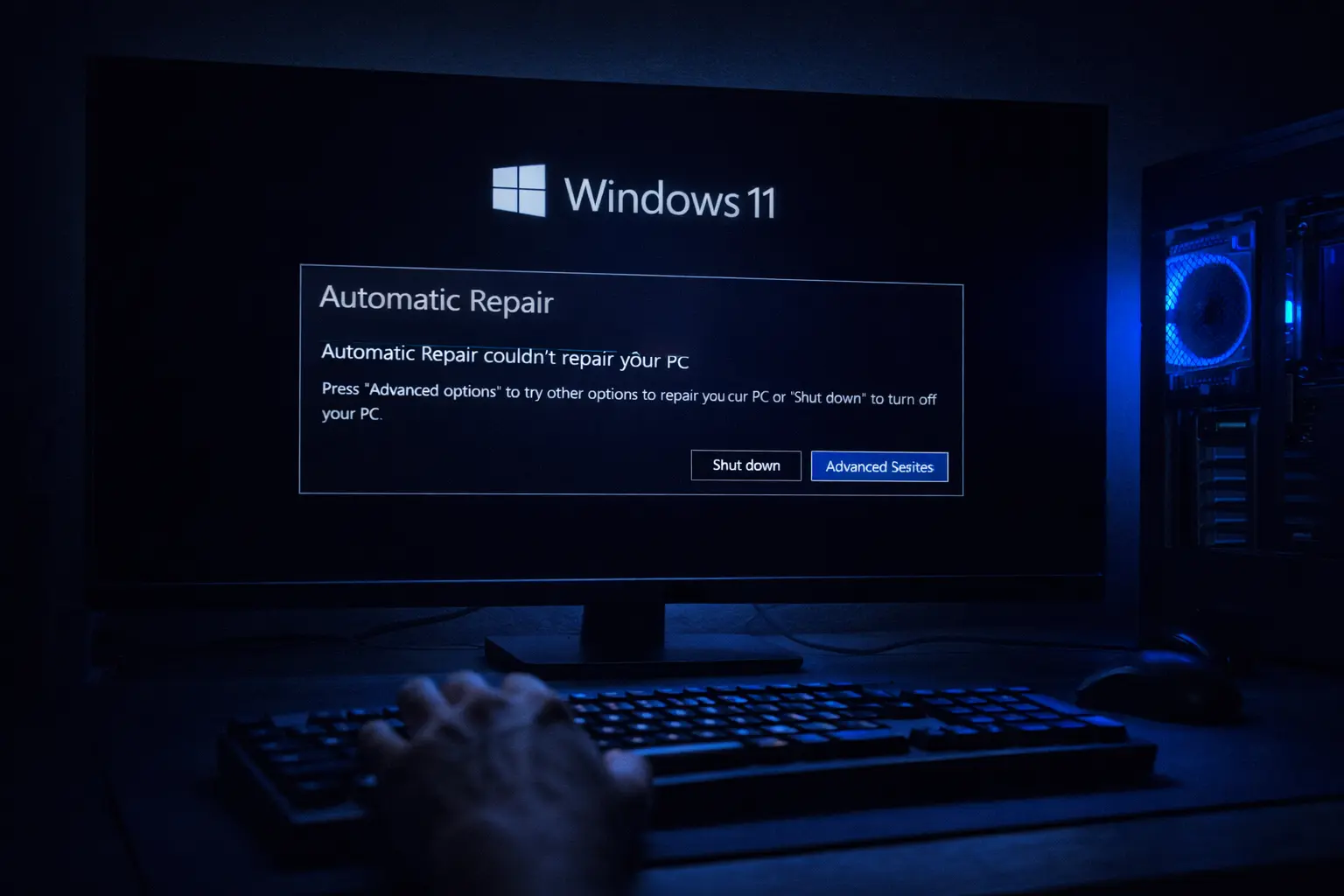
Critical Boot Issues Reported After Windows 11 Update KB5077181
Microsoft's February 2026 Windows 11 update, identified as KB5077181, is wreaking havoc on thousands of PCs worldwide. Users report critical boot failures, infinite restart cycles, and complete network connectivity loss after installing this Patch Tuesday February 2026 security patch. If you haven't updated yet and wondering "should I install KB5077181?", experts strongly recommend pausing Windows Update immediately until Microsoft releases an official fix.
The Critical Issues with KB5077181
The KB5077181 update problems reported on Reddit and tech forums reveal three major system failures that render computers unusable.
1. Infinite Boot Loop and Black Screen Issues
The most alarming problem is the endless restart cycle affecting both laptop and desktop PC users. Affected users report their systems restarting over 15 times consecutively before reaching the login screen—if they reach it at all. Many computers get stuck in a KB5077181 black screen loop, never completing the boot process. Some experience a frozen login screen, while others face KB5077181 slow boot times exceeding 10 minutes.
2. System Event Notification Service (SENS) Error
Users encounter the System Event Notification Service failure, which prevents Windows from properly loading essential system services. This error appears during boot and triggers additional restart attempts, worsening the automatic repair loop. The Windows 11 startup repair KB5077181 tool often fails to resolve the issue automatically.
3. Network Connectivity and DHCP Failure
Even when users manage to log in, they face complete internet connectivity loss. Windows displays a "connected" status for Wi-Fi or Ethernet, but no actual internet access is available. This is caused by a KB5077181 DHCP service error introduced by the update.
4. Installation Errors and Access Denied Messages
Many users report KB5077181 won't install at all, displaying error codes including:
- KB5077181 error code 0x80070005 (Access Denied)
- 0x800f0983 (Installation Failed)
- "Windows Update service was shutting down" error message
Some of these KB5077181 installation failed errors are linked to conflicts with third-party antivirus software, particularly KB5077181 Bitdefender conflict and KB5077181 driver conflict issues.
Which Systems Are Affected?
The KB5077181 update primarily impacts Windows 11 systems running:
- Windows 11 version 24H2 boot loop
- Windows 11 version 25H2 update issue
- Gaming PC crash reports (especially systems with custom hardware)
- Surface Pro error cases
The issues appear linked to changes in the KB5077181 Secure Boot error mechanism and conflicts with certain security software.
Is KB5077181 Safe to Install? Current Status
KB5077181 reviews from users across Reddit, Microsoft forums, and tech communities overwhelmingly advise waiting for KB5077181 fix before installing. As of February 15, 2026, Microsoft has not officially acknowledged the KB5077181 problems on its Windows Release Health dashboard, but support staff have confirmed multiple KB5077181 known issues.
Our recommendation: Skip KB5077181 update until Microsoft releases a corrected version.
How to Fix KB5077181 Boot Loop and Network Issues
Microsoft recommends manually uninstalling the update. Here are complete KB5077181 uninstall methods.
Method 1: Uninstall via Control Panel (If You Can Log In)
If you can access Windows normally or in Safe Mode:
- Open Control Panel (search for it in the Start Menu)
- Navigate to Programs > Programs and Features
- Click View installed updates in the left sidebar
- Locate Security Update for Microsoft Windows (KB5077181)
- Right-click it and select Uninstall
- Restart your computer
Method 2: Boot into Safe Mode (If You're Stuck in Boot Loop)
If your Windows 11 laptop or desktop is stuck in an infinite restart cycle:
- Force Windows into Recovery Mode: Interrupt the startup process 3 times by holding the power button during boot. This triggers "Automatic Repair."
- Go to Troubleshoot > Advanced Options > Startup Settings > Restart
- Press 4 or F4 to boot into Windows 11 Safe Mode
- Once in Safe Mode, follow the Control Panel uninstall steps above
Method 3: Command Line Removal (Advanced Users)
Open Command Prompt as Administrator and run this KB5077181 fix command:
wusa /uninstall /kb:5077181 /quiet /norestartRestart your computer after the command completes. This is the fastest way to rollback KB5077181 update.
Method 4: System File Repair with DISM and SFC
If you still experience problems after uninstalling, repair corrupted system files using DISM repair Windows 11:
Open Command Prompt as Administrator and run:
sfc /scannowThen run these SFC scannow KB5077181 repair commands:
DISM /Online /Cleanup-Image /RestoreHealth
DISM /Online /Cleanup-Image /StartComponentCleanup
Restart your computer after all scans complete.
Method 5: Windows Update Troubleshooter
If you encountered KB5077181 installation failed errors before the boot loop:
- Open Settings > System > Troubleshoot > Other troubleshooters
- Run Windows Update troubleshooter KB5077181
- Follow the on-screen instructions
- Temporarily uninstall antivirus software (especially Bitdefender) before retrying installation
Method 6: System Restore (Last Resort)
If none of the above methods work:
- Boot into Windows 11 recovery mode
- Go to Troubleshoot > Advanced Options > System Restore
- Select a restore point created before February 2026 Windows 11 update
- Follow the wizard to complete the System Restore KB5077181 process
How to Prevent KB5077181 from Reinstalling
Critical Step: Windows 11 will attempt to automatically reinstall KB5077181 within 24-48 hours. To prevent KB5077181 from reinstalling:
Option 1: Pause Windows 11 Updates
- Go to Settings > Windows Update
- Click Pause updates for 1 week (or longer if available)
- This gives Microsoft time to release a corrected version
Option 2: Hide KB5077181 Update Permanently
Use the "Show or hide updates" troubleshooter from Microsoft to permanently hide KB5077181 update:
- Download the troubleshooter from Microsoft Support
- Run the tool and select "Hide updates"
- Check the box next to KB5077181
- Click Next to apply
Option 3: Manual Update from Microsoft Update Catalog
If you need security updates but want to skip KB5077181, you can download alternative to KB5077181 patches individually from the Microsoft Update Catalog KB5077181 page. This gives you control over which updates install.
KB5077181 vs Previous Updates: What Went Wrong?
This isn't the first time best Windows 11 update practices have been questioned. The January 2026 updates also required multiple follow-up patches. Common issues across recent updates include:
- Poor testing before public release
- Conflicts with third-party security software
- Driver compatibility problems
- Inadequate rollback mechanisms
Microsoft's Response and Known Issues
As of February 15, 2026, Microsoft has not officially listed KB5077181 on their known issues page. However, support staff on Microsoft Learn Q&A have confirmed:
- Boot loop issues on 24H2 and 25H2
- DHCP service failures
- SENS errors causing startup delays
- Installation failures with error 0x80070005
Microsoft is reportedly working on a fix, but no official timeline has been announced.
What to Do Now: Step-by-Step Guide
If you haven't updated yet:
- Pause Windows Update immediately to avoid installing KB5077181
- Monitor the Windows Release Health dashboard for official fixes
- Check KB5077181 reviews Reddit and tech forums for real-time updates
- Consider waiting at least 2-3 weeks after any major Patch Tuesday release
If you're already affected by boot loops:
- Boot into Safe Mode using the forced recovery method
- Uninstall KB5077181 using Control Panel or command line
- Run SFC and DISM repair tools
- Hide the update to prevent automatic reinstallation
If installation failed with errors:
- Temporarily disable antivirus software
- Run Windows Update Troubleshooter
- Clear Windows Update cache
- Try Windows 11 manual update download from Microsoft Update Catalog
If nothing works:
- Use System Restore to revert to a pre-update state
- As a last resort, perform a Windows 11 repair install (keeps files and programs)
- Contact Microsoft Support for assistance
The Bigger Picture: Windows Update Quality Issues
This incident highlights ongoing quality control concerns with Windows 11 update February 2026 releases. Critical patches that are supposed to enhance security and stability are instead causing:
- KB5077181 gaming PC crashes during important sessions
- Lost productivity for business users
- Data loss risks from forced shutdowns
- Increased support costs for IT departments
Until Microsoft addresses these issues and implements better testing procedures, users should approach monthly Patch Tuesday updates with extreme caution, especially on production systems.
Frequently Asked Questions
Q: Is it safe to skip KB5077181?
A: Yes, if you're not experiencing security threats, it's safer to wait for a fixed version than risk boot loops.
Q: Will uninstalling KB5077181 make my PC vulnerable?
A: While you'll miss some security patches, avoiding system crashes is more critical. Keep your antivirus updated as compensation.
Q: How long should I wait before installing KB5077181?
A: Wait until Microsoft officially acknowledges and fixes the issues, likely 2-4 weeks after the initial release.
Q: Can KB5077181 cause permanent damage?
A: No, but severe cases may require clean Windows reinstallation if System Restore fails.

.webp)
.webp)
Comments 0
No comments yet
Be the first to share your thoughts!
Leave a Comment